

9 Fascinating Insights into Kava: The Cultural Treasure of Polynesia and Its Timeless Connection to Tradition
Kava, central to Polynesian culture, transcends mere taste and becomes a symbol of unity, pleasure, and heritage. Its preparation and consumption are ritualistic experiences, reflecting the values and beliefs of the people. Misunderstood by some, kava’s significance is profound, encompassing tradition, social connection, and cultural identity.

The Controversial History of Kava (‘Awa) in Hawaii: A Crisis of Tradition and Regulation in the Late 19th Century
The cultivation and use of kava (‘awa) in Hawaii in the late 19th century sparked a crisis among the Latter-day Saints community. The decision to burn the ‘awa crop, worth several thousand dollars, led to an uprising, revealing the deep cultural significance of kava and the economic and theological tensions it created.
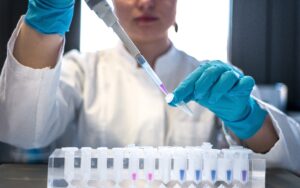
The Healing Power of Kava: Promising Benefits and Challenges in Clinical Applications. 2020.
The paper titled “Kava as a Clinical Nutrient: Promises and Challenges” delves into the therapeutic potential of kava, a traditional beverage made from Piper methysticum. Highlighting its anti-inflammatory, anticancer, and neurological benefits, the paper also discusses challenges such as rare hepatotoxicity and the lack of standardization in kava products. The World Health Organization’s recognition of kava’s non-toxicity adds credibility to its safety profile, emphasizing the need for continued research and quality assurance.

Exploring the Enigmas of Kava: A Groundbreaking Study on the Entourage Effect and the Power of Full Spectrum Extracts in Mice
The study by Keledjian et al in 1988 delves into the activity of single kavalactones versus full spectrum extracts of kava, focusing on their absorption rates in the mouse brain. The researchers found that the synergism of pharmacological activity appears to be due to potentiation of penetration into the brain when kavalactones are given together. The study also suggests that an entourage effect is strongly at play, with Yangonin seeing an increase of about 20 times in absorption when combined with full spectrum extracts. This research is vital in understanding the physiological actions of kava and the importance of consuming kavalactones together.
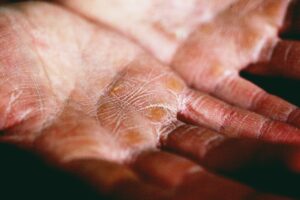
Unpacking the Mystery of Kava Dermopathy in Fiji: A 6-Part Exploration into an Acquired Ichthyosis.
The research paper titled “Kava Dermopathy in Fiji: An Acquired Ichthyosis?” delves into the phenomenon of kava dermopathy, a skin condition linked to the consumption of kava in Fiji. The paper explores the traditional use, pharmacology, and medical aspects of kava, raising questions about the classification of kava dermopathy as an acquired ichthyosis. It emphasizes the cultural significance of kava and the need for further research into the complex interactions between kava consumption and skin health.

Discovering the Secrets of Kava Preservation: 6-Day Study Reveals Enlightening Insights and Practical Solutions
A study by the University of Hawaii at Moana has explored the preservation of kava, a traditional Pacific Island beverage. By examining kava samples over 6 days of refrigeration, researchers found significant growth of bacteria, yeast, and mold, leading to spoilage. Vacuum sealing was identified as a method to prevent some spoilage, offering valuable insights for kava enthusiasts.

Decoding the Experience: 6 Essential Numbers Unveiling the Kavalactone Content and Chemotype in Kava (Piper Methysticum)
Chemotype, a 6-digit number, represents the unique ratio of kavalactones in kava, a traditional beverage. These numbers, ordered from the most to least abundant kavalactone, reveal the specific experience a kava drink may provide. For instance, a chemotype starting with 4 may lead to a heady and euphoric sensation, while one beginning with 2 might be more sedative. This intricate system of classification, backed by scientific studies, allows for a deeper understanding of kava’s effects and offers valuable insights for both consumers and researchers.

1 Essential Tip to Avoid the Unappealing Gelatinization of Kava: Understanding the Crucial Role of Starch and Temperature
The text discusses the starch content of kava and its role in the gelatinization process when heated past the solubility temperature of starch. Contrary to the belief that heating kava above 140°F (60°C) degrades kavalactones, the melting point of kavalactones is much higher. The real concern lies in the starch content, which constitutes about 43% of dried kava rootstock. Heating kava in the 140°F (60°C) – 203°F (95°C) range leads to “starch gelatinization,” where starch absorbs water and acts as a binding agent. This process affects the thickness and texture of the kava drink, making it essential to stay below 140°F (60°C) when preparing kava to prevent gelatinization.
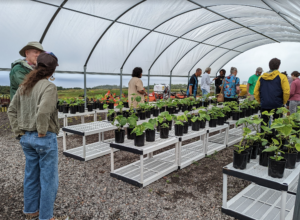
Unlocking the Secrets of ‘Awa: A Comprehensive Study of Key Variations in Hawaiian Kava Cultivars and Their Impact on Cultivation and Commerce in 1999.
The paper “Morphological, Phytochemical, and Genetic Variation in Hawaiian Cultivars of ‘Awa (Kava, Piper methysticum)” explores the variations in Hawaiian kava cultivars using morphological descriptors, chemical analysis, and genetic fingerprinting. Key findings reveal the influence of environmental factors on kavalactone content, the narrow genetic base of kava in Hawai’i, and the identification of different morphotypes as likely somatic mutants from a common clonal source. These insights provide valuable information for kava’s cultivation, extraction, and commercial use.