

Effective and Safe Short-term Use of Kava Extract for “Nervous Anxiety, Tension, and Restlessness”
The study confirms the effective and safe short-term use of kava in the Commission E-defined indication of “nervous anxiety, tension and restlessness,” especially in other than chronic cases.

A Study Into the Antioxidant, Antibacterial, and Xanthine Oxidase Inhibitory Properties of Kavalactones and Other Constituents of Kava.
The research paper titled “Isolation and Identification of Constituents Exhibiting Antioxidant, Antibacterial, and Antihyperuricemia Activities in Piper methysticum Root” is a comprehensive study that delves into the bioactive compounds present in the root of Piper methysticum, commonly known as kava. Conducted by Truong Ngoc Minh, Truong Mai Van, Tran Dang Khanh, and Tran Dang Xuan, the study aims to isolate, purify, and identify the compounds in kava root that exhibit antioxidant, antibacterial, and anti-hyperuricemia properties. The research is particularly groundbreaking as it is the first to report the pharmaceutical potential of certain flavonoids in kava root.

2 Scientific Approaches to Interpreting Hepatotoxicity (or Lack Thereof) with Kava.
The document focuses on the hepatotoxicity of kava and employs two structured quantitative methods for causality assessment. It discusses various factors like causality scales, alternative causes, and patient data to evaluate the liver disease induced by kava.
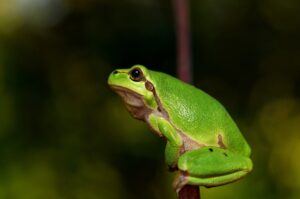
1983 Study of kava on muscle relaxation or “muscular transmission and contractility” in frogs.
Uncover the scientific intricacies of kava, its historical significance, and its physiological effects on muscle contractility and neuromuscular transmission on frogs.

Kava in Pohnpei: The Root of Pacific Island Traditions. Sakau. A study from 2009.
Kava, a root native to the Pacific Islands, has a complex role in traditional ceremonies and modern medicine alike. Preliminary studies suggest no significant correlation between heavy kava use and hepatotoxicity, challenging the notion that kava is harmful to the liver.
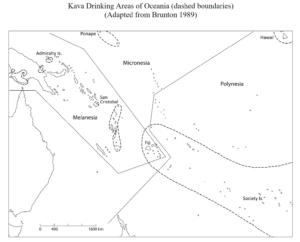
The Sacred Power of Kava: Unveiling its Essential Role in Over 2000 Years of Lapita Society
Kava, a plant native to the Pacific Islands, has played a significant role in the cultural and religious practices of the Lapita peoples. The plant is deeply intertwined with the concept of death and serves as a medium for communicating with ancestors.

From Rituals to Remedies: Unearthing the Kava Trade in 2009.
Explore the rich history and modern implications of kava, a plant deeply rooted in Pacific Island cultures that has gained global attention for its medicinal properties and economic trade potential.
A Summary of Pollock’s “Sustainability in the Kava Trade”

Discovering the Magic of Kava: An In-Depth 2015 Analysis of the Pacific’s Mystical Beverage
Kava, a shrub-like plant native to Oceania, has a rich history deeply intertwined with Pacific cultures. Considered sacred in Native Hawaiian culture, kava was associated with gods, rituals, and had the power to relax the mind and body. In contemporary times, kava’s popularity has expanded beyond traditional uses, leading to its formulation as pills and liquid extracts for anxiety treatment. However, the different strains and preparation methods have led to variability in its effects, raising questions about authenticity and safety. The exploration of kava’s cultural significance, therapeutic benefits, and potential risks provides a comprehensive understanding of this fascinating plant, reflecting the diversity and depth of the Pacific cultures that have embraced it.
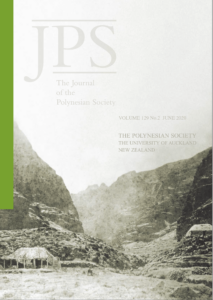
Embracing the Beauty of Kava: 7 Key Insights into Tonga’s Sacred Tradition
A commentary and summary of: Tecun, Arcia, Robert Reeves, and Marlena Wolfgramm. 2020. “The Past Before Us: A Brief History of Tongan Kava.” The Journal of the Polynesian Society.
Kava, a significant cultural element in the Pacific region, particularly in Tonga, embodies various symbolic meanings, including balance, communion, sacrifice, empathy, and power relations. Its rituals, practices, and meanings continue to evolve, reflecting the changing times and cultural interconnections.