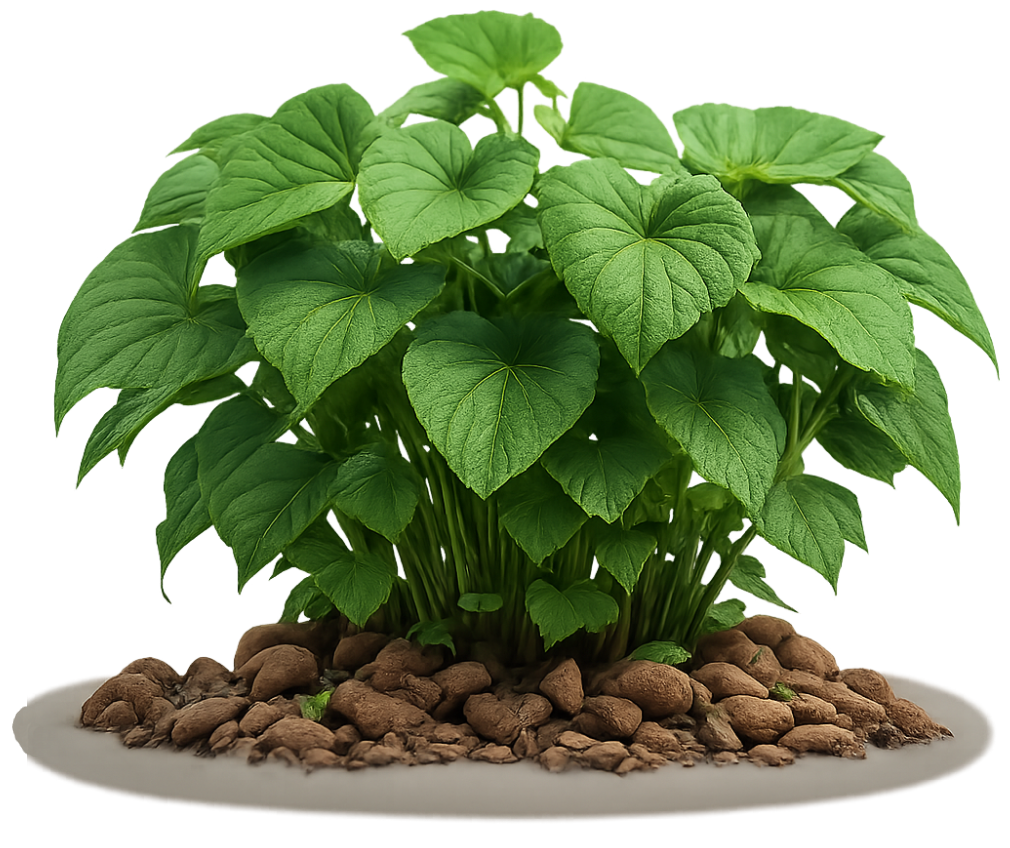
Kava is a plant native to the South Pacific Islands and Hawaiʻi enjoyed for centuries for its health benefits and important role in social settings.
Where is kava from?
Kava has deep cultural roots across Pacific Island regions including Fiji, Vanuatu, Tonga, Samoa, and Hawaii. It is traditionally shared during ceremonies, community gatherings, and moments of storytelling and reflection.
A traditional Pacific root drink known for calming effects, social ease, and natural relaxation.
Promotes relaxation
Traditionally used to create calm, kava helps the body unwind without clouding mental clarity gently.
Supports social ease
Shared in ceremonies, kava can reduce social tension and encourage more open, relaxed conversation together.
Helps with everyday stress
Many people find kava eases everyday worries and supports steadier moods during difficult periods naturally.
Encourages better sleep
Taken responsibly, kava may improve sleep quality by soothing the body and quietening the mind.
How do you consume kava?
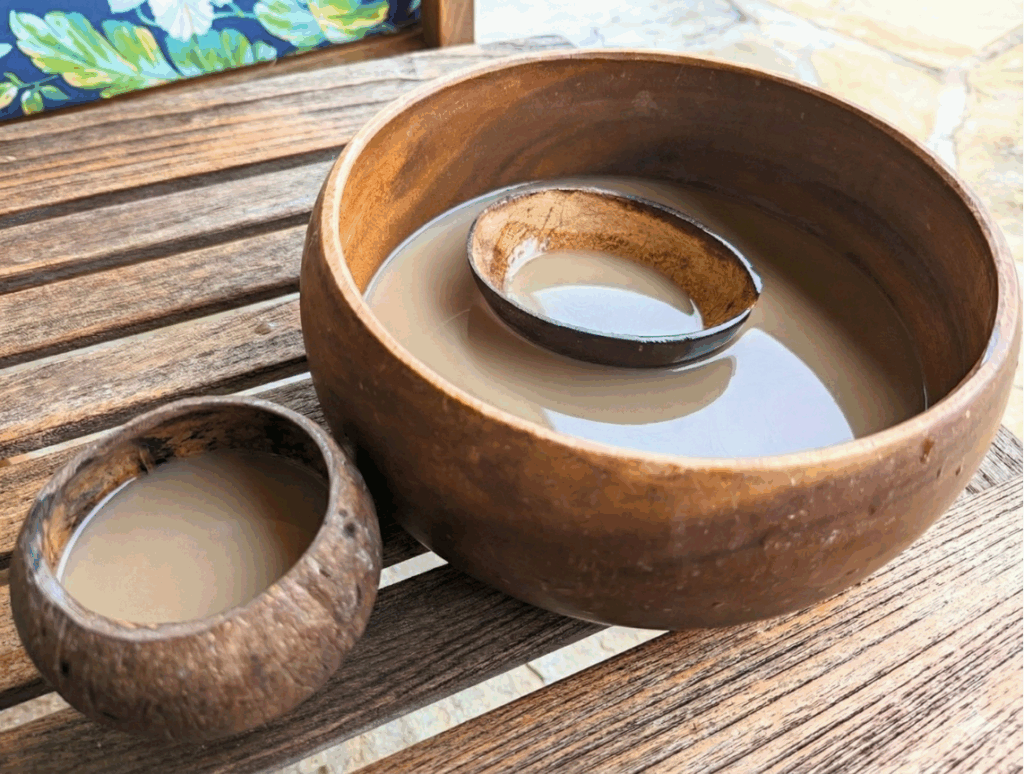
“Kava” often refers to the plant, the root, the drink made from it, and products made with kava, which can understandably be confusing. In simple terms, there are two main ways to think about consuming kava: kava as a tea-like drink, and kava as a supplement/wellness product.
Kava is one of the safest herbs consumed today by millions of people around the world. It has an exceptionally strong record of safe use.
The belief that kava is harmful to the liver is a widely circulated misconception. This concern originated in the early 2000s and was later reviewed by the World Health Organization and other international health bodies, which found no scientific evidence of liver harm from kava use.